
Dr. Vishal Kundnani
MS (Ortho) FASSI, FNUS, FNAMS.Dedicated sciatica specialist and spine surgeon in Mumbai.


What Is Sciatica and Why Does It Happen?
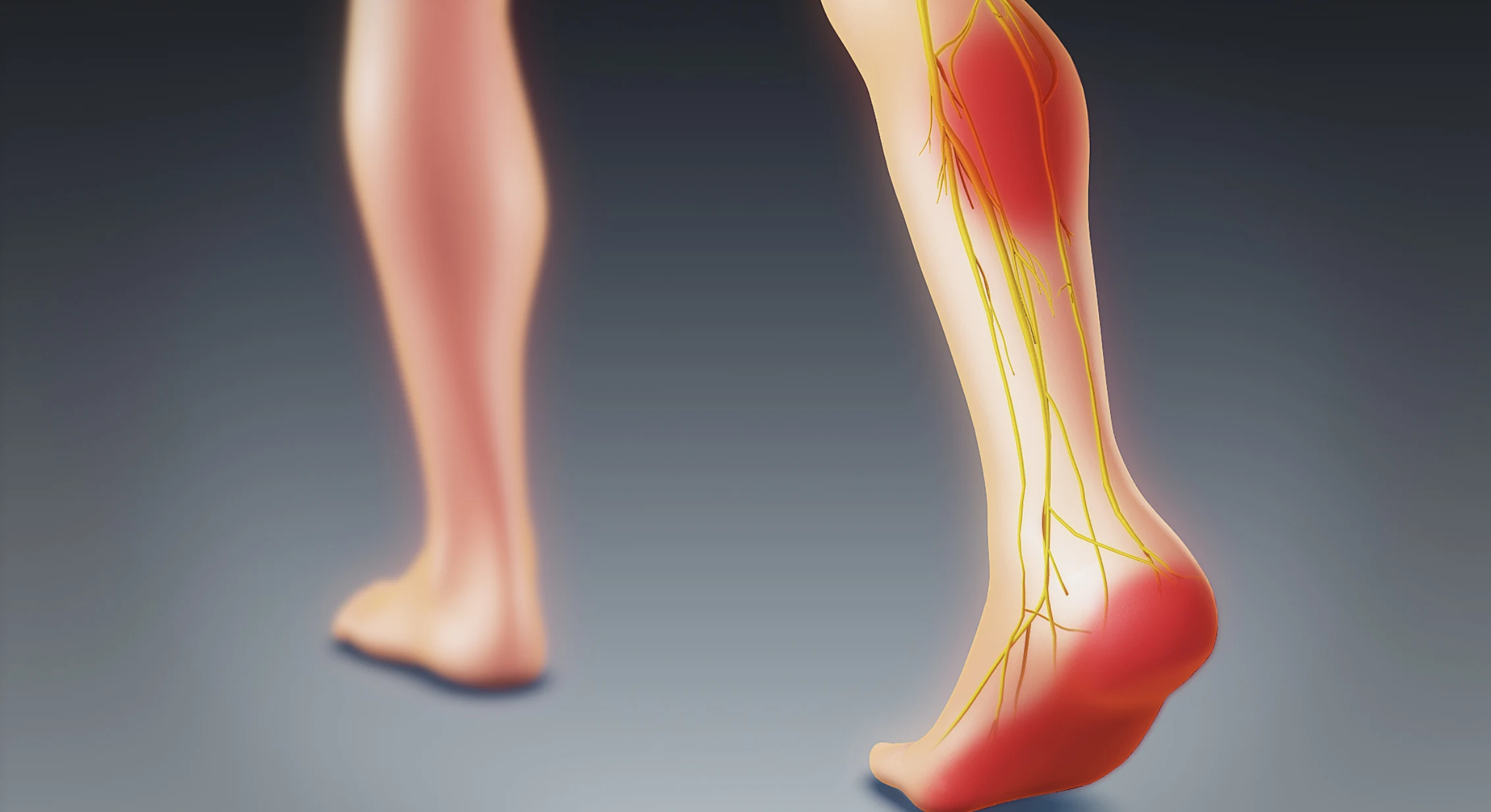
Pain that starts in the lower back and travels down the leg can be alarming.
Many patients describe it as sharp, burning, or electric-like pain.
This type of pain is commonly called sciatica, and understanding its cause helps reduce fear and guide proper treatment.
Understanding Sciatica: Causes, Symptoms, and Treatment Options | Dr. Sarthak Kadakia
Quick Answer: What Is Sciatica?
- Sciatica is pain caused by irritation of the sciatic nerve
- It usually starts in the lower back or buttock
- Pain travels down one leg
- Most cases improve with non-surgical treatment
What Is the Sciatic Nerve?
The sciatic nerve is:
- The largest nerve in the body
- Formed by nerves from the lower spine
- Responsible for sensation and movement of the leg
When this nerve is compressed or irritated, sciatica occurs.
Why Does Sciatica Happen?
1. Slipped (Herniated) Disc
- Most common cause
- Disc presses on the sciatic nerve
- Causes leg pain and numbness
Learn more about slipped disc treatment.
2. Spine Degeneration
- Age-related disc and joint changes
- Narrowing of nerve passages
3. Muscle Spasm or Tight Muscles
- Piriformis muscle irritation
- Can press on the sciatic nerve
4. Spinal Canal Narrowing
- Reduced space for nerves
- More common in older adults
This condition is also known as spinal stenosis.
Common Symptoms of Sciatica
- Pain radiating from back to leg
- Tingling or pins-and-needles sensation
- Numbness in leg or foot
- Weakness in leg muscles
Sciatica usually affects one side of the body.
When Should You Worry About Sciatica?
Seek medical attention if:
- Pain is severe or worsening
- There is progressive weakness
- Walking becomes difficult
- Bladder or bowel control is affected
How Is Sciatica Diagnosed?
Diagnosis includes:
- Medical history
- Physical examination
- MRI scan (only if symptoms persist or worsen)
Most patients do not need immediate imaging. Consult Dr. Vishal Kundnani for expert spine diagnosis.
Treatment Options for Sciatica
Conservative Treatment (First Line)
- Pain-relief medications
- Physiotherapy
- Stretching and strengthening exercises
- Activity modification
Many patients find relief with conservative sciatica treatment.
Advanced Non-Surgical Treatment
- Targeted nerve injections
- Guided spine rehabilitation
Surgical Treatment (Rare Cases)
Surgery is considered only if:
- Pain persists despite treatment
- Significant weakness develops
- Daily life is severely affected
When surgery is needed, minimally invasive spine surgery offers faster recovery.
How Long Does Sciatica Take to Heal?
- Mild cases: 2–4 weeks
- Moderate cases: 6–8 weeks
- Chronic cases may take longer but still improve with care
Can Sciatica Be Prevented?
Yes, prevention includes:
- Regular exercise
- Core muscle strengthening
- Good posture
- Avoiding prolonged sitting
Frequently Asked Questions
Is sciatica permanent?
No. Most cases improve with treatment.
Can sciatica go away on its own?
Yes, many patients recover without surgery.
Is walking good for sciatica?
Yes, gentle walking helps recovery.
Does sciatica affect both legs?
Usually only one leg is affected.
Call to Action
If leg pain or numbness is limiting your daily activities, early consultation with a spine specialist like Dr. Vishal Kundnani can help relieve symptoms and prevent worsening. Learn more about our back pain treatments. Consult at Bombay Hospital or Lilavati Hospital in Mumbai. Book your consultation today for expert sciatica treatment.
Medical Disclaimer
This information is for educational purposes only and does not replace professional medical advice.