Dr. Vishal Kundnani
MS (Ortho) FASSI, FNUS, FNAMS.Dedicated spinal stenosis specialist and spine surgeon in Mumbai.


Stages of Lumbar Spinal Stenosis: Mild, Moderate & Severe Explained
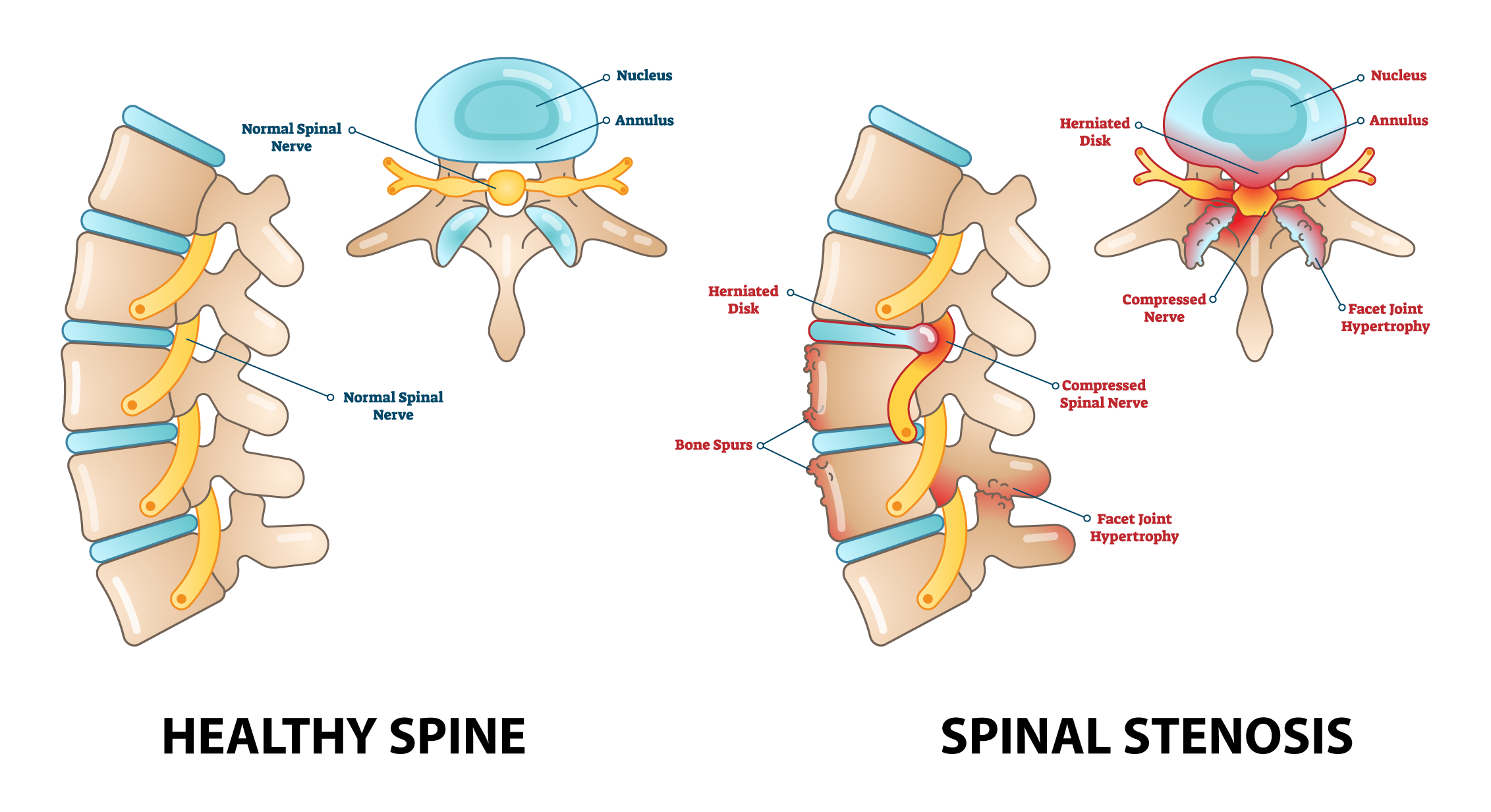
In lumbar spinal stenosis, if the space in the lower back narrows and presses on the spinal nerves, then patients often experience pestering pains. There also is severe pain, and numbness and weakness can manifest as a function of whether and how far the nerves are squeezed. Detecting a mild, moderate, or severe grade helps all sufferers understand its progression and act promptly with appropriate treatment.
Stages of Lumbar Spinal Stenosis
Stage 1: Mild Lumbar Spinal Stenosis
At the early stage, a start of narrowing occurs to the spinal canal with minimal nerve compression.
Frequent Symptoms
- Periodical lower back pain
- Mild stiffness
- Discomfort after a long walk or standing
- Slight numbness or tingling in legs
Symptoms may thus come and go in the patient, sometimes with the mistaken belief that age or muscle strain is the cause.
Treatment in this Stage
- Physiotherapy
- Posture correction
- Anti-inflammatory prescription
- Energy-consuming exercises for the joint and muscle flexibility- and strength-enhancing results
This emphasizes functional activity and maintenance of the body to avoid weight gain.
Stage 2: Moderate Lumbar Spinal Stenosis
Nerve irritation worsens and becomes more prominent at this stage.
Frequent Symptoms
- Radiating pain to hips or legs that occurs frequently
- Burning or electric nerve pain-like sensations
- Increasingly numb or weak when experiencing such symptoms
- When standing for a long time or walking, impaired ability
- Extension of relief on engagement in a forward or seated position (so-called shopping cart sign).
Limitations in functional activities become manifest in daily life, and the individual's mobility deteriorates.
Management Plans
- Select base pain management
- Supervised physiotherapy
- Epidural steroid injections (if prescribed)
- Modifications in lifestyle
Cases will be assessed for advanced procedures if symptoms worsen with no improvement.
Stage 3: Severe Lumbar Spinal Stenosis
In cases of severity, they suffer from a severe spinal canal narrowing, rendering substantial nerve compression.
Symptoms at severity degree-caliber
- Severe pain or weakness in the legs
- Inability to walk more than a few steps
- Dizziness or cramping in legs
- Numbness extending to the floor or hips
Initial Treatment for Severe Degree
In order for a surgical intervention to decompress the nerve irritations and improve movement.
Patients with spinal deformities such as scoliosis or posture imbalances may be managed by spine experts with procedures such as:
- Scoliosis correction surgery in Mumbai
- 3D implants for scoliosis
- Robotic scoliosis surgery in India for enhanced accuracy and better results
Robotic technologies provide very accurate work, minimize surgical risks, and are quite effective particularly in difficult spine cases.
Why Early Diagnosis Matters
For many years, lumbar spinal stenosis progresses quite slowly and many patients ignore the early signs. Timely evaluation shall therefore help prevent permanent nerve damage and disability.
In instances wherein teenagers have posture irregularities or possible scoliosis, seeing a specialist orthopedic surgeon for a teen scoliosis treatment in India can guarantee timely correction and prevention against future complications.
Where To Go For Consultation?
A trained best spine specialist for scoliosis, upon evaluating the patient, will be able to find out where in the course of the disease the condition with spinal stenosis actually is due to the following diagnostic procedures:
- Clinical examination
- MRI, CT, CT-MR
- Neurological evaluation
Large numbers of patients in India rely on experts such as Dr. Vishal Kundnani spine doctor, the best scoliosis surgeon in Mumbai for complex spinal disorders. World-class spinal care is right here in India for our spine patients, with the most advanced treatment techniques available, which include the resources of cutting-edge navigation and robotic-assisted surgery.
Conclusion
The worsening of lumbar spinal stenosis usually results from slow and progressive growth, indicating the dangers its severe form can pose. Patients should locate the stage of their presentation: mild, moderate, or severe, thereby identifying the appropriate treatment option that suits continued mobility, well-being, and spine care.
While addressing evolving symptoms from mild-thus-urgent need to potential robotic scoliosis surgery India due to spinal deformity, high clinical success rates, and long-term functional disability gain from new types of treatment.